Functional Medicine in Denver
For the symptoms that don’t add up, the labs that came back “normal,” and the feeling that nobody has looked at the whole picture.
In-person care in Wheat Ridge, CO, serving the Denver metro, with in-person or virtual follow-ups
The short version
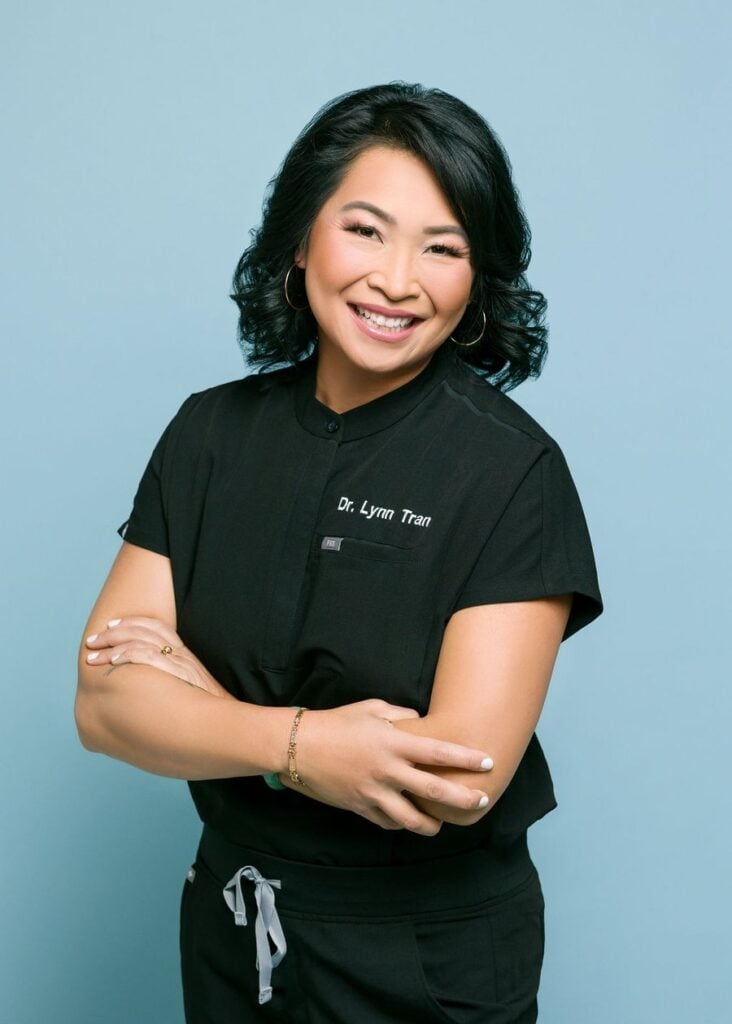
Functional medicine starts from a different question. Instead of asking which condition your symptoms match, it asks what in your body isn’t working the way it should, and why. At Omega Functional Health in Wheat Ridge, Dr. Lynn Tran uses your history, your symptoms, and appropriate lab testing to find the patterns behind how you feel, then builds a plan around what the results actually show.
Does this sound familiar?
- You’re exhausted, and sleep doesn’t fix it
- Your labs came back normal and you were told everything looks fine
- Digestion has become something you plan your day around
- Your weight, mood, or cycle changed and nobody can tell you why
- You have a diagnosis, but managing it hasn’t made you feel well
- You’ve collected a long list of things you can’t eat, and you’re still reacting
- You feel like you’re being treated one symptom at a time, by people who never talk to each other
If more than a couple of those land, you’re who this work is for.
What “normal” labs actually mean
Most standard lab ranges are built to flag disease. They’re wide on purpose, because their job is to catch the values that require immediate medical attention.
That means you can sit just inside the edge of a range, feel terrible, and be told you’re fine. Nothing was missed, exactly. The question being asked was “is there disease here?” and the answer was no.
Functional medicine asks a different question: is your body working well, and what is it working hard to compensate for? That question uses tighter reference ranges, looks at how markers move together rather than one at a time, and treats a result as information about a pattern rather than a pass or fail.
It also means a normal result isn’t dismissed. It’s used.
How Dr. Lynn works
She starts with your story, not your labs. What you’re experiencing, what changed and when, what you’ve already tried, and what your health is keeping you from doing.
Then she looks for patterns across systems. Digestion, hormones, blood sugar, thyroid, immune activity, sleep and circadian rhythm, nutrient status, and the stress response don’t operate in isolation. A problem in one shows up as symptoms in another, which is why treating the symptom often doesn’t hold.
A finding is a hypothesis, not a verdict. Seeing a pattern doesn’t mean she knows its cause. So she looks for several pieces of information pointing the same direction, before acting on it.
Complexity gets prioritized, not piled up. Most people arrive with many things that could be addressed. Finding more isn’t the same as understanding more. Her job is to distinguish what’s interesting from what’s important, and start where it helps you the most.
Then she reassesses. If the change she expected isn’t happening, that’s information, and the plan changes. Reassessment isn’t a sign something went wrong. It’s how the process is supposed to work.
What we look at
- Blood sugar and metabolic health: nutrient status, eating patterns, glucose monitoring
- Digestive health: bloating, reflux, irregularity, food reactions, and the gut-immune relationship
- Thyroid: including people already on medication who still don’t feel well
- Autoimmunity and immune activity: patterns of immune activation and the factors that drive them
- Sleep and circadian rhythm: adrenal and stress physiology
What working together looks like

1
A complimentary consultation
A conversation about what you’re dealing with and what you’ve already tried. By the end of it, Dr. Lynn will tell you honestly whether she thinks she can help.
2
An intake visit
A full history, your current symptoms, and a decision about what testing would actually be useful.
3
A review of your results
Dr. Lynn walks you through your own numbers and what they suggest, then lays out where to start.
4
A plan, and then reassessment
A transparent plan based on your health goals. Dr. Lynn is with you every step of the way, and reassessments help guide care toward your goals.
What functional medicine is not
It isn’t a replacement for medical care. Some conditions need medical treatment, and sometimes the most useful thing Dr. Lynn can discover is that you need something she doesn’t provide. Referral and working alongside your other providers are part of her practice, not an exception to it.
It isn’t a promise that the body can heal anything. Genetics, age, injury, and disease are real constraints. What she works on is the capacity that remains available to you, which is usually more than people expect and never unlimited.
It isn’t a supplement protocol with a longer intake. The testing exists to make decisions, and decisions include doing less.
It isn’t about blaming you for your health. Many things that affect your health were never your choice. The useful question isn’t what you did wrong, it’s where you still have room to act.
What people say
“So grateful for Dr. Sam and Dr.Lynn’s knowledge and guidance! They helped me figure out that I have severe allergies to gluten/cows milk/eggs/soy and set me on a very helpful 10 week detox. The detox went well and helped to rid tons of inflammation in my body. I never would have figured this out had I not gone to them. I went to so many doctors and even did a endoscopy and never had anyone think to check this. I feel so much better now! My brain fog has stopped, my stomach distention has gone away, and my stomach doesn’t hurt after I eat. Also since starting this new allergen free diet, my body has way more energy and I’ve been able to drop 20 pounds so far. They also helped me diagnosis a vestibular imbalance and gave me very helpful exercises to improve the severity. If you are looking for an office that will take care of you and go above and beyond for their patients, then you are in the right place with Dr.Sam and Dr.Lynn.”
Jessica M., Google review
Common questions about functional medicine
What is functional medicine?
Functional medicine is an approach that looks for the underlying reasons a body isn’t working well, rather than matching symptoms to a condition and treating the label. It uses history, symptoms, and lab testing to find patterns across systems like digestion, hormones, blood sugar, thyroid, and immune function.
How is it different from seeing a regular doctor?
It isn’t a substitute for medical care, and it asks a different question. Standard care is built to identify and treat disease. Functional medicine looks at how well systems are working before a disease diagnosis applies, and how they’re interacting. Many of our patients do both.
My labs were normal. Is there any point in testing again?
Often, yes, and not because the first results were wrong. Standard ranges are wide because they’re designed to catch disease. Functional interpretation uses tighter ranges and looks at how markers relate to each other. Dr. Lynn can also work from recent labs you already have.
Is functional medicine covered by insurance?
We are out of network with all carriers but can provide you with a superbill to submit for reimbursement.
Can I see Dr. Lynn virtually?
Yes, for follow-ups. Your intake visit is in person in Wheat Ridge. Follow-up appointments can be in person or virtual, depending on what works best for you and Dr. Lynn.
Will I have to take a lot of supplements?
No. When supplements are part of your plan, Dr. Lynn recommends them based on your lab results, at a manageable dose rather than an excessive list.
How long before I feel different?
It depends on what’s driving your symptoms and how long it’s been going on. Dr. Lynn sets out what she expects to change and by roughly when, then reassesses. If it isn’t changing, the plan changes rather than the timeline being extended indefinitely.
Do you work with people who already have a diagnosis?
Yes, and many do. Having a diagnosis doesn’t answer why the condition developed or why you still don’t feel well while managing it. Dr. Lynn works alongside your existing care.
Do you also do chiropractic and QNRT?
Yes. Dr. Lynn also practices chiropractic care and QNRT, which addresses the stress patterns a nervous system keeps running. For some people the two work well together, since a body stuck in a prolonged stress response has a harder time regulating digestion, hormones, and immune function.
Tired of being told everything looks fine? Let’s look properly.